

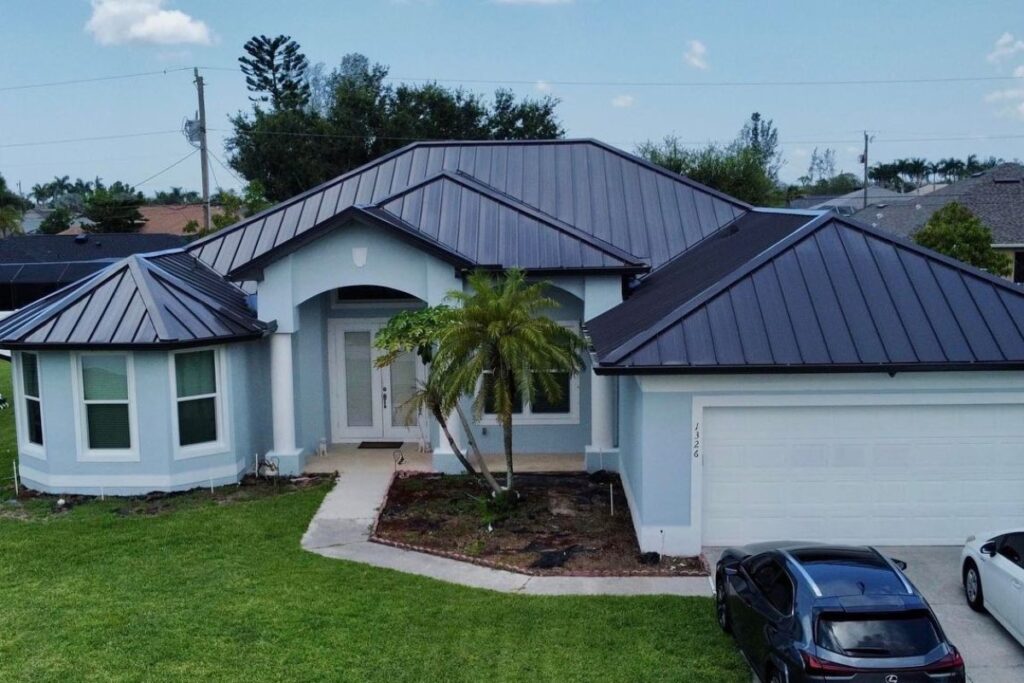
When most homeowners look at their roof, they see shingles. But shingles are only one part of a much larger, highly engineered system. A truly effective roof system depends on multiple components working together to protect your home from moisture intrusion, heat buildup, wind-driven rain, and long-term structural damage.
At Greenlight Roofing and Remodeling, we help homeowners and business owners throughout Aledo, Weatherford, Parker County, Tarrant County, and Johnson County understand that a durable roof is about more than curb appeal. It’s about performance, protection, and energy efficiency.
Let’s take a closer look at the three critical components that make a roof system work: underlayment, flashing, and ventilation.
A Roof Is More Than Shingles: Understanding the Complete Roof System
A roof is not a single product — it’s a layered system designed to manage water, airflow, and temperature. Each layer has a specific purpose, and when properly installed, these layers work together to create long-term protection.
A complete residential roofing system typically includes:
- Roof decking (structural foundation)
- Underlayment (secondary moisture barrier)
- Ice and water shield in vulnerable areas
- Flashing around penetrations and transitions
- Shingles or primary roofing material
- Ridge caps
- Intake and exhaust ventilation components
If one part fails, the entire system can be compromised. For example, even the highest-quality shingles cannot prevent leaks if flashing is improperly installed or if attic ventilation allows moisture buildup beneath the deck.
Understanding how these components interact is the key to preventing roof leaks, improving energy efficiency, and extending the life of your roof.
Roof Underlayment: The Moisture Barrier That Protects Your Home
Roof underlayment is often called the “silent protector” of your roofing system. Installed directly over the roof deck and beneath the shingles, it acts as a secondary moisture barrier.
If wind-driven rain penetrates beneath shingles — which can happen during severe Texas storms — the underlayment prevents water from reaching the decking and interior of your home.
In addition to water protection, underlayment helps:
- Protect the roof deck during installation
- Provide temporary weather protection before shingles are installed
- Improve overall waterproofing performance
- Enhance fire resistance (depending on material)
- Support manufacturer warranty compliance
In areas like Aledo, Weatherford, and surrounding communities, where storms, high winds, and heat are common, properly installed roofing underlayment is essential.
Types of Roof Underlayment and Where They’re Used
Not all underlayment materials are the same. Choosing the right type depends on climate, roof design, and manufacturer requirements.
1. Asphalt-Saturated Felt (Traditional Roofing Felt)
Often referred to as “felt paper,” this is one of the oldest forms of underlayment. While still used in some applications, it can wrinkle or tear under extreme weather conditions.
2. Synthetic Roof Underlayment
Modern synthetic underlayment is lighter, stronger, and more resistant to tearing than traditional felt. It provides superior moisture protection and durability, making it a popular choice for residential roofing systems in North Texas.
Benefits include:
- Greater resistance to wind uplift
- Better UV tolerance during installation
- Improved walkability for installers
- Long-lasting performance
3. Ice and Water Shield
This is a self-adhering waterproof membrane used in vulnerable areas such as:
- Roof valleys
- Eaves
- Around chimneys
- Around skylights
- Around plumbing vents
Ice and water shield creates a watertight seal around fasteners, providing added protection against leaks caused by heavy rain and pooling water.
An experienced roofing contractor will evaluate your roof’s structure and climate exposure to determine which underlayment materials are appropriate.
Why Proper Underlayment Installation Matters for Long-Term Performance
Even the best materials can fail if installed incorrectly. Proper installation ensures:
- Correct overlap between layers
- Sealed seams in vulnerable areas
- Tight fastening without over-driving nails
- Integration with flashing and ventilation components
Improperly installed underlayment can trap moisture instead of shedding it, leading to mold growth, decking rot, and interior damage.
Roof Flashing: The Critical Defense at Vulnerable Areas
Flashing is one of the most important components of a leak-resistant roof system. It consists of thin metal materials installed at roof transitions, penetrations, and joints.
Shingles are designed to shed water downward — but they cannot seal gaps where different roof planes meet. That’s where flashing plays a vital role.
Flashing directs water away from vulnerable areas and prevents it from entering your home.
Without properly installed flashing, even a new roof can develop leaks.
Key Areas Where Flashing Is Essential
Flashing must be installed anywhere the roof surface is interrupted. These areas include:
Chimneys
Chimneys require both step flashing and counter flashing to create a watertight seal between masonry and roofing materials.
Skylights
Improper flashing around skylights is one of the most common sources of roof leaks.
Roof Valleys
Valleys handle a high volume of water runoff. Valley flashing ensures proper drainage and prevents pooling.
Roof-to-Wall Intersections
Step flashing is installed where vertical walls meet the roof surface.
Plumbing Vents
Vent pipe boots and flashing collars seal the gap where pipes penetrate the roof deck.
When flashing is layered correctly with underlayment and shingles, water is directed away from the structure — not into it.
Common Flashing Failures That Lead to Roof Leaks
Many roof leak repair calls stem from flashing problems rather than shingle failure.
Common flashing issues include:
- Improper layering sequence
- Corroded or rusted metal
- Loose or missing fasteners
- Caulk-only repairs instead of proper flashing replacement
- Incorrect integration with the underlayment
- Storm damage dislodged metal components
A leaking roof around a chimney or vent pipe is often a flashing issue. Identifying these problems early through a professional roof inspection can prevent structural damage.
Roof Ventilation: The Overlooked Component That Protects the Entire System
Roof ventilation is frequently misunderstood — yet it plays a critical role in protecting your roofing system from the inside out.
Proper attic ventilation regulates:
- Temperature
- Moisture levels
- Air circulation
Without adequate ventilation, heat and humidity can build up inside the attic, leading to premature roof system failure.
In Texas, where temperatures can soar during summer months, improper ventilation can significantly stress roofing materials.
How Proper Attic Ventilation Extends Roof Life
Balanced attic ventilation consists of intake vents (typically at soffits) and exhaust vents (such as ridge vents).
When properly designed, ventilation systems:
- Prevent excessive heat buildup
- Reduce moisture accumulation
- Protect insulation performance
- Minimize condensation
- Reduce strain on HVAC systems
- Help maintain manufacturer warranty compliance
Poor ventilation can cause shingles to deteriorate prematurely from underneath, even if they appear intact from the outside.
For homeowners focused on energy efficiency, ventilation is especially important. As energy efficiency experts serving Parker, Tarrant, and Johnson Counties, Greenlight Roofing and Remodeling emphasizes ventilation as a core part of roof system design.
Types of Roof Ventilation Systems
Different homes require different ventilation solutions. Common systems include:
Ridge Vents
Installed along the roof’s peak, ridge vents allow hot air to escape evenly across the attic.
Soffit Vents
Located beneath roof eaves, soffit vents allow cool air to enter the attic.
Gable Vents
Mounted on exterior walls near the roof peak, these provide cross-ventilation.
Static Roof Vents
Box-style vents that allow hot air to escape through the roof surface.
Powered Attic Fans
Mechanically driven systems that actively pull hot air out of the attic.
The key to effective ventilation is balance. Intake and exhaust airflow must work together. Too much exhaust without intake can create negative pressure. Too little exhaust traps heat and moisture.
A professional roofing contractor evaluates square footage, attic volume, and building code requirements to design the right system.
How Underlayment, Flashing, and Ventilation Work Together
Each component supports the others in a properly functioning roof system:
- Underlayment acts as a moisture barrier beneath shingles.
- Flashing seals vulnerable transition points.
- Ventilation regulates temperature and prevents internal condensation.
Here’s how they interact:
If ventilation is poor, moisture can accumulate under the deck, weakening the underlayment and causing decking deterioration.
If flashing is improperly integrated with underlayment, water can bypass the moisture barrier entirely.
If the underlayment is compromised, flashing alone cannot stop widespread water intrusion.
A roof system only performs at its highest level when all three elements are installed correctly and integrated properly.
Signs Your Roof System May Be Failing
Recognizing early warning signs can prevent extensive damage.
Look for:
- Interior water stains on ceilings
- Mold or mildew smell in attic spaces
- Curling or buckling shingles
- Rusted or lifted flashing
- Ice dam formation in winter months
- Excessive attic heat
- Moisture buildup or condensation on rafters
- Granule loss around roof penetrations
If you notice any of these symptoms, scheduling a professional roof inspection is essential.
Conclusion: Why Professional Roof System Installation Matters
A durable, high-performing roof system requires more than just quality shingles. It demands precise installation of underlayment, properly layered flashing, and balanced ventilation — all working together.
At Greenlight Roofing and Remodeling, we bring 30 years of combined experience to every project. As a trusted local roofing company in Aledo and Weatherford, TX, we proudly serve homeowners and commercial clients throughout Parker County, Tarrant County, and Johnson County.
As an Owens Corning Preferred Contractor and Certified Master Shingle Applicator, we adhere to strict manufacturer guidelines and building codes to ensure your roofing system is built for long-term performance and energy efficiency.
When your roof system is installed correctly, you gain:
- Improved moisture protection
- Enhanced energy efficiency
- Greater structural durability
- Reduced risk of leaks
- Long-term peace of mind
If you want a roofing system that truly works — not just one that looks good from the street — professional design and installation make all the difference.
Greenlight Roofing and Remodeling is committed to building roof systems that protect what matters most.
Frequently Asked Questions
What is the purpose of roof underlayment?
Roof underlayment acts as a moisture barrier installed beneath shingles. It provides secondary protection against wind-driven rain and helps prevent water from reaching the roof deck.
Why is flashing important in a roofing system?
Roof flashing seals vulnerable areas such as chimneys, skylights, valleys, and roof-to-wall intersections. Proper flashing installation prevents leaks and protects against water intrusion.
How does roof ventilation improve energy efficiency?
Proper attic ventilation regulates temperature and moisture levels, reducing heat buildup and helping HVAC systems operate more efficiently.
What are the signs of poor roof ventilation?
Common signs include excessive attic heat, condensation on rafters, mold growth, curling shingles, and moisture buildup inside the attic.
Can a roof leak even if the shingles look fine?
Yes. Many roof leaks are caused by failed flashing, damaged underlayment, or improper ventilation—not necessarily worn-out shingles.
How do underlayment, flashing, and ventilation work together?
Underlayment provides moisture protection, flashing seals transition points, and ventilation regulates airflow. Together, they create a complete roofing system that prevents leaks and extends roof life.