
Why the Roof Over Your Head Plays a Bigger Role in Energy Efficiency Than You Think
Ever wonder why your air conditioner seems to be working overtime during those scorching Texas summers? A lot of it has to do with your roof. It’s more than just a shield against rain and sun; it’s a critical player in your home’s energy performance. According to the U.S. Department of Energy, one of the benefits of cool roofs is “Reducing energy bills by decreasing air conditioning needs.”
The type of roofing material you choose can dramatically affect how much heat enters your home, directly influencing your monthly energy bills. A smart choice can lead to significant savings over the life of your roof, while a poor one can cost you a bundle.
Here at Greenlight Roofing and Remodeling, we’ve seen how a change in roofing can make a big difference for homeowners in Aledo, Hudson Oaks, and all of Parker County. As your trusted local roofing company, we know that understanding the connection between your roof and your energy use is the first step toward a more comfortable and more affordable home.
The Connection Between Roofing Materials and Home Energy Efficiency
So, what exactly is the link between your roof and your energy bills? It all comes down to a concept called solar reflectance and thermal emittance. In simple terms, this is a material’s ability to reflect sunlight and release absorbed heat. The better a roof is at doing this, the less heat it transfers into your attic and, ultimately, into your living spaces.
Think about it like wearing a black shirt on a sunny day versus a white one. The black shirt absorbs the sun’s heat, making you feel much warmer. Your roof works the same way. A dark, non-reflective roof soaks up a ton of heat, forcing your HVAC system to work harder to keep your home cool. This is a key reason why roofing insulation performance is so important.
Choosing energy-efficient roofing materials is a major step toward reducing your home’s energy footprint. This isn’t just about saving money; it’s also about making your home more comfortable year-round. From the type of shingles to the underlayment, every component plays a part.
Reflective Roofs: How Cool Roofs Keep Energy Use Down
One of the most effective strategies for battling high energy bills is something called “cool roof technology.” A cool roof is designed to reflect more sunlight and absorb less heat than a standard roof. These roofs are often lighter in color or coated with a special reflective material.
How do they work? The high solar reflectance of a cool roof means that a large portion of the sun’s energy bounces off the surface instead of being absorbed. This significantly reduces the temperature of the roof itself and the heat transferred into your home. The result? A cooler attic and less demand on your air conditioner.
Cool roofs come in a variety of materials, including certain types of shingles, metal roofing, and tile. For homeowners in Aledo, Hudson Oaks, and the wider Tarrant County area, a cool roof can be a game-changer during the hot summer months. It’s a proactive way to lower your energy costs and make your home more comfortable without having to crank up the AC.
Insulation Power: Asphalt, Metal, Tile, and Slate Compared
When you’re thinking about a new roof, you have a lot of options. But not all materials are created equal when it comes to energy efficiency. Let’s break down some of the most popular choices and see how they stack up.
Asphalt Shingles:
This is the most common roofing material in the U.S. While traditional asphalt shingles tend to be dark and absorb a lot of heat, manufacturers like Owens Corning (we’re a Preferred Contractor!) now offer “cool” asphalt shingles that come with reflective granules. These newer versions offer a better impact of roofing on energy bills, though they might not be as effective as other options.
Metal Roofing:
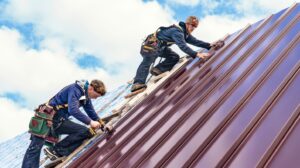
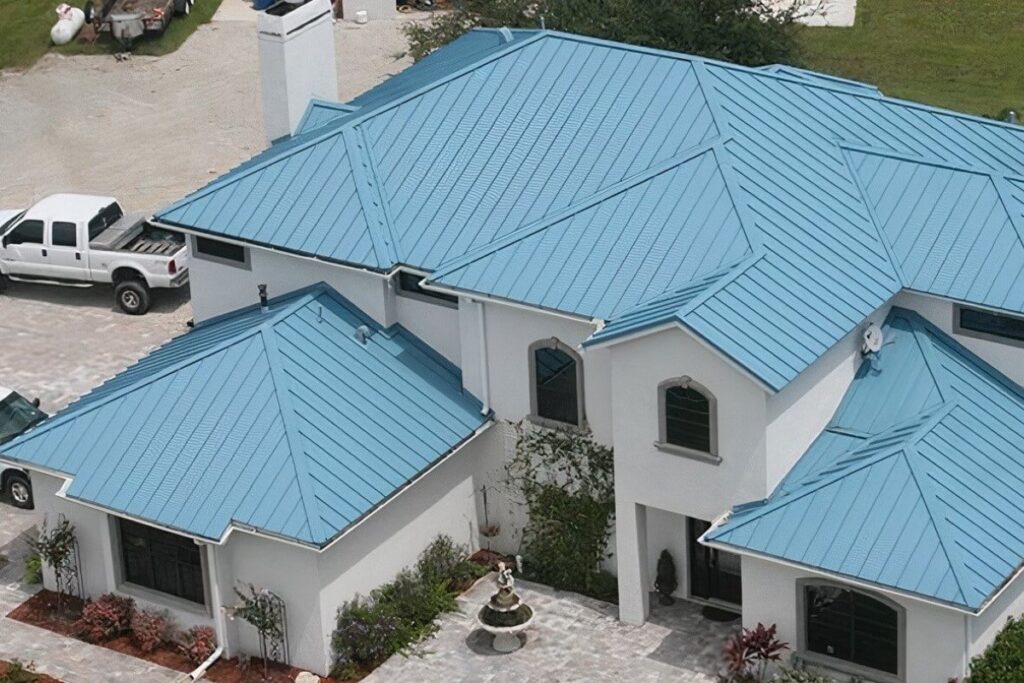
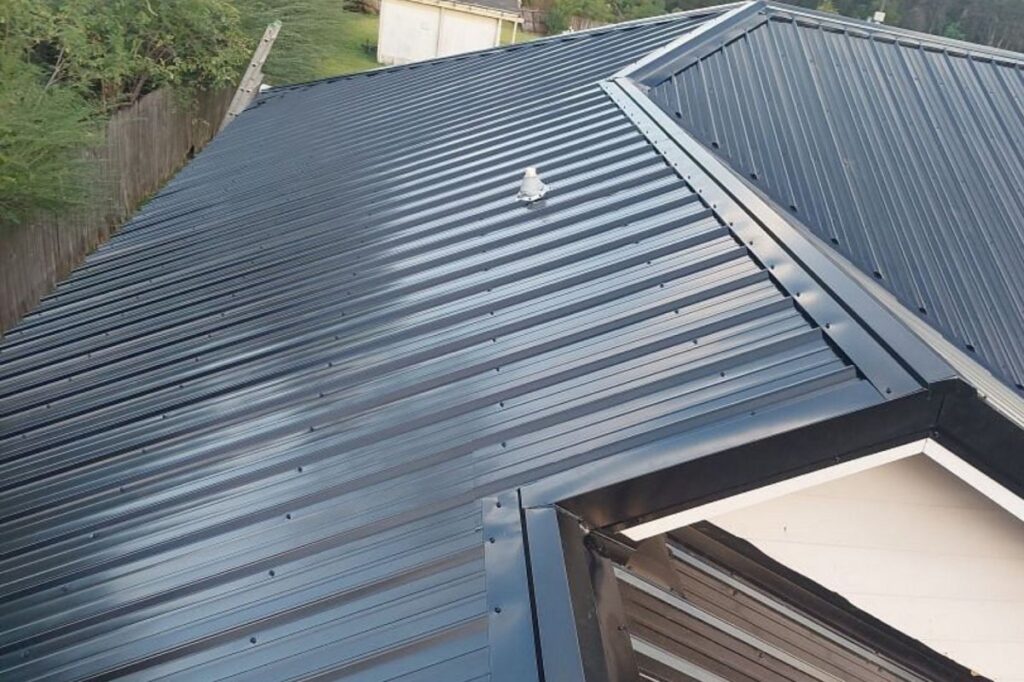
Metal roofs are a fantastic choice for energy-conscious homeowners. They have a naturally high solar reflectance, especially when coated with a reflective paint. A metal roof can reflect up to 50% of solar radiation. This makes metal vs asphalt roof energy efficiency a clear winner for those looking to save money on cooling. They also shed snow and rain easily and are incredibly durable.
Tile and Slate:
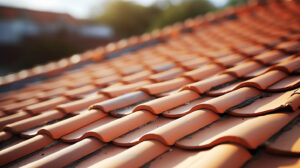
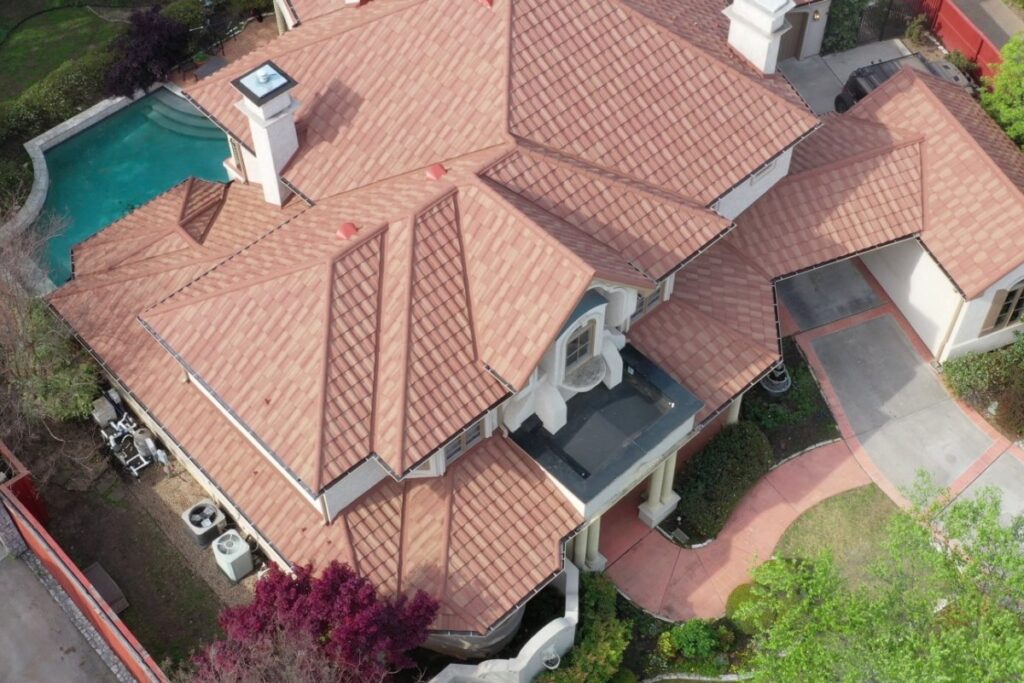
These materials are known for their longevity and beauty. They also have excellent thermal properties. The natural shape of clay or concrete tiles creates a ventilated air space between the tiles and the roof deck, which acts as a natural insulator. This air gap helps to prevent heat transfer. While heavy and more expensive to install, they are one of the best roofs for hot climates.
Other Roofing Materials:
There are also other options, such as synthetic slate or composite shingles, that are designed with energy performance in mind. These often incorporate new technologies to improve their reflective properties.
When it comes to the best roof for hot climates, you need to consider more than just the material. The color, the type of underlayment, and the overall roofing system all play a part in its performance.
Insulation Power: A Comparison of Roofing Materials
| Roofing Material | Key Energy Efficiency Properties | Pros | Cons |
| Asphalt Shingles | Traditional shingles absorb a lot of heat. Newer “cool” shingles with reflective granules are available, offering better solar reflectance to reduce heat absorption. | Affordable and widely available | It can absorb a lot of heat, increasing the load on your AC. |
| Metal Roofing | Excellent solar reflectance, especially with reflective coatings, reflecting up to 50% or more of solar radiation. Has high thermal emittance, meaning it releases absorbed heat quickly. | Highly energy-efficient; can lead to significant cooling savings. | Higher initial cost than asphalt shingles. |
| Tile and Slate | The natural shape of the tiles creates a ventilated air space underneath, which acts as a fantastic insulator and helps prevent heat transfer. | Offers superior thermal properties for hot climates | Heavier than other materials, it may require a stronger roof structure. |
Climate Considerations: Choosing the Right Roof for Texas
Living in Texas means dealing with intense heat for a large part of the year. This makes the choice of roofing materials even more critical. What works well in a cold, snowy climate might not be the best option here.
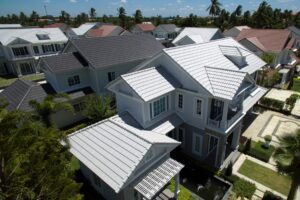
For Aledo and the surrounding areas, a high-reflectance roof is an absolute must. The sun’s energy is a powerful force, and you want a roofing system that will work with you, not against you. A roofing contractor like Greenlight Roofing and Remodeling understands these local climate challenges. We’ll help you select from our range of energy-efficient roofing options that are specifically suited to handle the Texas heat.
This might mean choosing a light-colored metal roof or selecting a cool-rated asphalt shingle. It’s about finding the right balance between style, durability, and energy performance. We don’t just put a new roof on your house; we build a system that enhances your home’s overall efficiency.
Sustainable Roofing Options That Enhance Energy Savings
Eco-friendly roofing solutions are becoming more and more popular, and for good reason. Sustainable roofing materials are not only good for the planet; they’re also excellent for your wallet.
One of the best examples is a metal roof made from recycled content. It’s durable, recyclable at the end of its life, and highly energy-efficient. Another option is a vegetated “green” roof, though these are more common on commercial buildings. Even with more traditional materials, there are ways to make your roof more sustainable. For instance, many modern shingles are now made with a higher percentage of recycled content.
The choice of roofing insulation performance is also a key factor in sustainability. A properly insulated attic and roof system can drastically reduce the amount of energy you need to heat and cool your home. This translates to lower greenhouse gas emissions and a smaller carbon footprint.
Long-Term Benefits of Energy-Conscious Roofing Choices
Thinking about a new roof is a big investment. But when you choose one of the best roofs for hot climates or one of the top eco-friendly roofing solutions, you’re not just buying a product; you’re investing in your home’s future. The long-term benefits are substantial.
- Lower Energy Bills: By choosing an energy-efficient roof, you can save a significant amount of money on heating and cooling costs over the lifespan of the roof, which can add up to tens of thousands of dollars.
- Increased Home Value: An energy-efficient roof is an attractive feature for potential buyers and can increase the overall value of your home.
- Reduced Strain on HVAC Equipment: A well-insulated and reflective roof system helps your air conditioner run more efficiently, which can extend its lifespan and reduce the need for costly repairs or early replacements.
Energy Efficient Roofing: A Smarter Roof Means Smarter Energy Use
Choosing a new roof is a major decision, but it’s also a fantastic opportunity to upgrade your home’s energy performance. The roofing material you choose has a significant impact on energy bills, but so does the quality of the installation. As a Certified Master Shingle and Decra Metal Roofing Applicator, Greenlight Roofing and Remodeling ensures that your new roof is installed to perfection, maximizing its energy-saving potential.
From sustainable roofing materials to advanced cool roof technology, there are plenty of energy-efficient roofing options available for your home. Contact us at 817-612-9585 or reach our Facebook page. We’re here to guide you through the choices and help you find the perfect roofing solution for your Aledo or Hudson Oaks home. A smarter roof really does mean smarter energy use, and we’re ready to show you just how much of a difference it can make. Give us a call today!
Frequently Asked Questions
How do different roofing materials affect my home’s energy bills?
The type of roofing material you choose directly impacts how much heat your home absorbs. Materials with high solar reflectance, like metal or “cool” asphalt shingles, reflect sunlight and keep your attic cooler, which reduces the workload on your air conditioner and lowers your energy bills.
What is a “cool roof” and why is it good for hot climates like Texas?
A cool roof uses special reflective paint or granules to reflect sunlight and release heat more effectively than a standard roof. In hot climates like Texas, this technology is vital because it prevents heat from building up in your attic, keeping your home cooler and saving you money on air conditioning.
Are metal roofs more energy-efficient than asphalt shingles?
Yes, generally, metal roofs are more energy-efficient than traditional asphalt shingles. Metal has a naturally high solar reflectance and often comes with a reflective coating, allowing it to reflect up to 50% of solar radiation. This makes the energy efficiency of a metal roof superior to that of a standard asphalt shingle roof.
How can a roofer help me save money on energy bills?
An experienced roofing contractor can guide you in choosing the best energy-efficient roofing options for your home and climate. They can recommend materials like cool-rated shingles, metal roofing, or tile, and ensure proper installation, which is crucial for maximizing your roofing insulation performance and long-term energy savings.
What are some eco-friendly roofing solutions that also save energy?
Sustainable roofing materials and eco-friendly roofing solutions include metal roofs made from recycled content and certain composite materials. These options are not only durable but are also designed with high solar reflectance and thermal emittance, which reduces your energy consumption and your home’s carbon footprint.
Besides material, what else contributes to a roof’s energy efficiency?
Beyond the roofing material, other factors like the color of the roof, the quality of the underlayment, and the overall insulation of your attic play a significant role. A lighter-colored roof will absorb less heat than a dark one, and proper insulation is essential for preventing heat transfer into your living space.